- 12 states adopt tax laws to curb multiple taxation
- 26 states at different legislative stages of adoption
- FG plans tax amnesty to boost compliance
- NEC urges spending on education, health, jobs
No fewer than 12 states in Nigeria have adopted and harmonised the new tax laws with their existing state tax frameworks, as the Federal Government intensifies efforts to reform the country’s tax system and end multiple taxation.
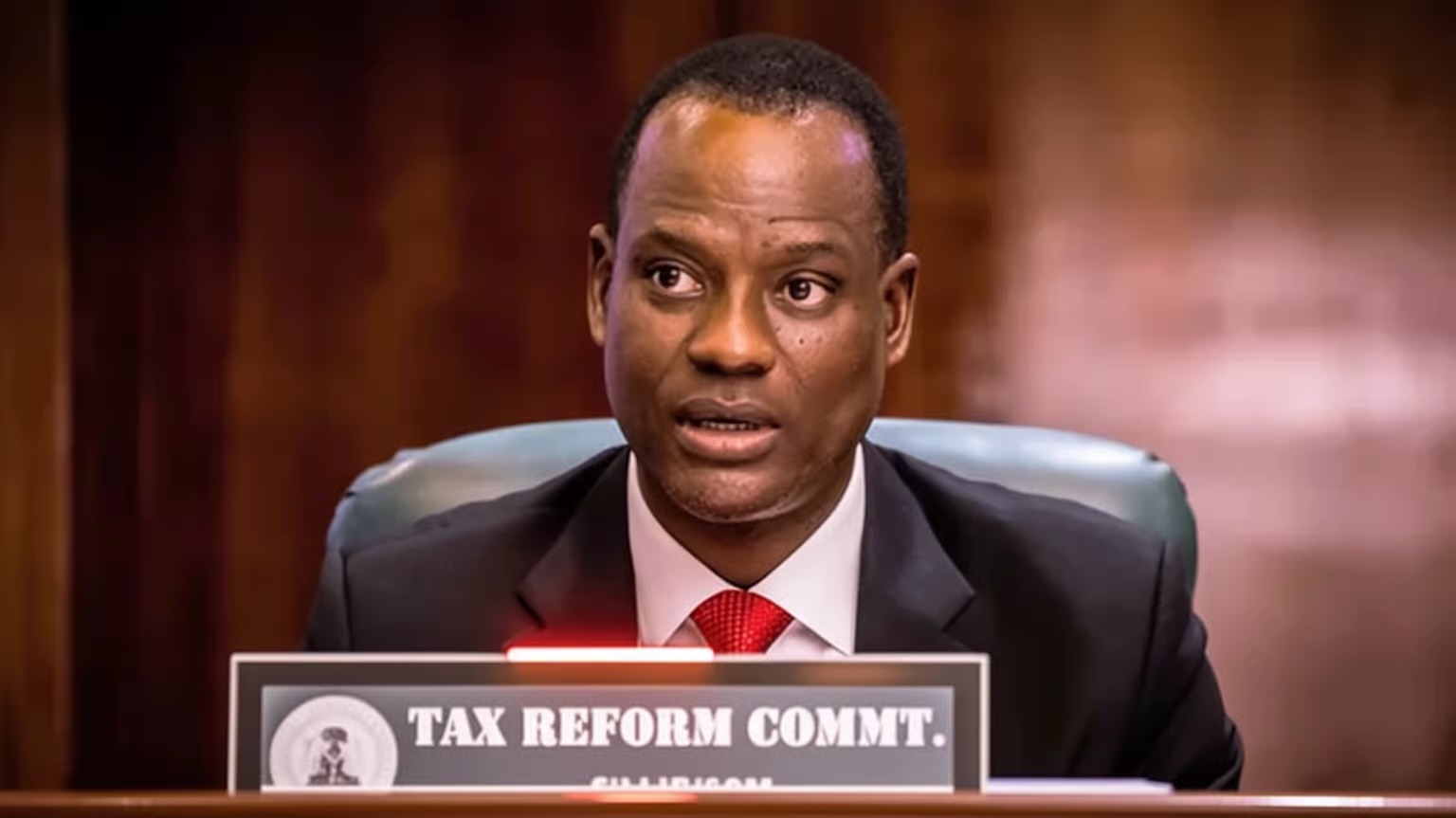
The Chairman of the Presidential Fiscal Policy and Tax Reforms Committee, Taiwo Oyedele, disclosed this during his presentation at the National Economic Council (NEC) Conference held in Abuja.
ATTENTION: Click “HERE” to join our WhatsApp group and receive News updates directly on your WhatsApp!
Oyedele revealed that while 12 states have fully adopted the new tax laws, another 13 states currently have the bills before their Houses of Assembly, and 11 others are at the final stage of submitting the laws for legislative consideration.
According to him, full adoption is critical to stopping the burden of multiple taxation, which has discouraged businesses and weakened investor confidence across the country.
“It is important for states to harmonise these tax laws with their existing frameworks to avoid multiple taxation,” Oyedele said.
He also urged state governors to grant full autonomy to their internal revenue services, warning against the continued use of private consultants for tax collection.
“Let us stop using consultants to collect taxes. It undermines our ability to do what is right,” he said.
“The new tax law clearly states that consultants should not handle routine tax authority work, and autonomy must be guaranteed.”
Oyedele further disclosed plans to introduce a tax amnesty programme, which will allow individuals and businesses to voluntarily disclose unpaid taxes without facing harsh penalties.
“If we don’t clean the past, we are not sure we will get the money going forward,” he told NEC members.
“This voluntary disclosure programme will help people come clean with their past tax compliance.”
In a communiqué issued after the conference, the NEC called on all levels of government to prioritise spending on human capital development, particularly education, healthcare, and youth employment, to improve living standards and restore public trust.
The council noted that Nigeria’s low investment in education and health, compared to other countries, remains a major concern and must be urgently addressed.
NEC also agreed on policies to support domestic production, encourage export-driven growth, and make the Nigerian economy more competitive by pushing states to adopt smarter investment planning.
For publication of Press Releases, Statements, and Advert Inquiries, send an email to info@dailyreport.ng