
-
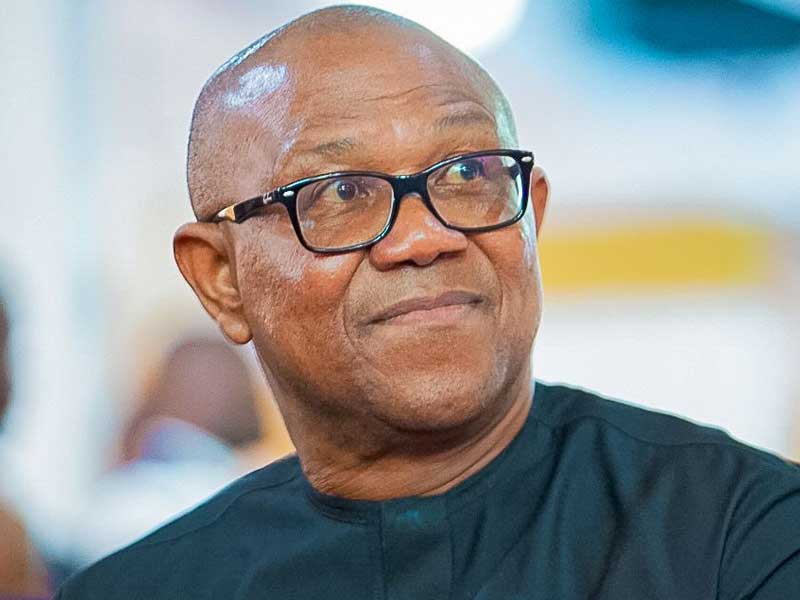
Peter Obi questions morality of alleged $5m school fees linked to public office holder
-
Says spending contrasts sharply with Nigeria’s 18m out-of-school children
-
Calls for public accountability, prudence, and moral responsibility
Former Labour Party presidential candidate, Peter Obi, has raised fresh moral and public accountability concerns over allegations that about $5 million was spent on the foreign education of children linked to a senior public official, at a time millions of Nigerian children remain out of school.
Obi said the controversy goes beyond personal family decisions and touches on the broader issue of public responsibility, particularly in a country grappling with deep poverty and educational inequality.
ATTENTION: Click “HERE” to join our WhatsApp group and receive News updates directly on your WhatsApp!
In a statement titled “The Farouk Controversy and the Question of Public Responsibility,” shared on his official X handle on Monday, the former Anambra State governor noted that the figures involved naturally provoke concern when viewed against Nigeria’s education crisis.
He was reacting to claims attributed to billionaire businessman, Aliko Dangote, who alleged that the former Chief Executive Officer of the Nigerian Midstream and Downstream Petroleum Regulatory Authority, Farouk Ahmed, spent about $5 million on the secondary education of his four children in Switzerland. Dangote had also called for a full investigation and public explanation.
READ ALSO: Peter Obi Criticises Reps Over Failure to Criminalise Vote-Buying at Party Primaries
Obi said that at prevailing exchange rates, the amount translates to about ₦7.5 billion, stressing that such expenditure raises questions of proportionality and public trust in a country with over 18 million out-of-school children — the highest figure globally.
He clarified that his position was not an attack on parents who invest in their children’s education, but a reflection on the scale of spending and the moral implications when such resources exist alongside widespread educational deprivation, especially when linked to public office holders.
According to Obi, the same ₦7.5 billion could be channelled into constructing about 25 standard school blocks across the country, each capable of educating roughly 6,000 students annually.
He added that the initiative could also create employment for about 450 teachers nationwide, with sustainable funding for salaries, maintenance, learning materials and utilities if managed prudently.
Obi warned that public confidence in governance is undermined when the actions, or perceived actions, of public officials appear disconnected from the harsh realities faced by ordinary Nigerians, reiterating the need for accountability, prudence and a strong moral compass in public service.