
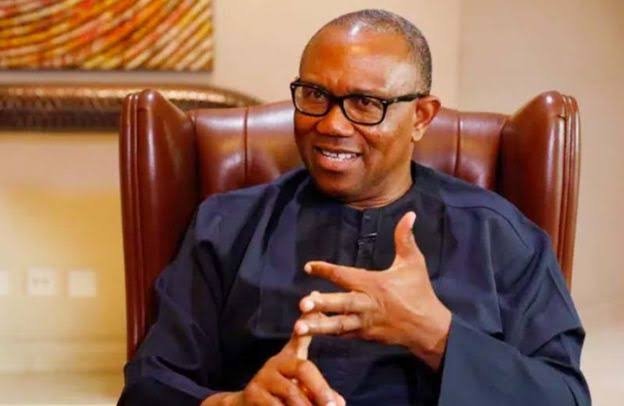
- Peter Obi criticises Nigeria’s tax policy, says it targets the poor
- Warns that taxing poverty weakens growth and unity
- Calls for production, jobs, and SME growth over harsh taxes
- Questions legitimacy of recently amended tax laws
Former Anambra State governor and presidential candidate, Peter Obi, has strongly criticised Nigeria’s tax implementation style, warning that raising revenue by taxing already-poor citizens will only deepen hardship and weaken economic growth.
In a statement shared on his official X (formerly Twitter) account, Obi said no nation can achieve lasting prosperity by placing heavier tax burdens on people who are already struggling to survive.
ATTENTION: Click “HERE” to join our WhatsApp group and receive News updates directly on your WhatsApp!
According to him, taxation should function as a fair social contract, where citizens clearly understand how taxes are collected and how the proceeds translate into visible public benefits.
“As I travel and meet leaders who have transformed their nations, one truth stands out; sustainable progress begins with national consensus,” Obi said.
READ ALSO:
The former Labour Party presidential candidate in the 2023 election stressed that taxation should not be about squeezing revenue from citizens, but about creating wealth through production, enterprise, and jobs.
“You cannot tax your way out of poverty, you must produce your way out of it,” Obi stated.
He argued that empowering small and medium-sized enterprises (SMEs) would naturally widen the tax base, rather than forcing struggling households to shoulder new levies amid rising living costs.
Obi also raised concerns over recent tax reforms, pointing to the controversy surrounding an amended tax law, where discrepancies were found between the version passed by lawmakers and the one later gazetted.
“There is no virtue in celebrating increased government revenue while the people grow poorer,” he said.
“Any tax system that makes citizens poorer violates the principles of good governance.”
His remarks come as the federal government intensifies efforts to boost non-oil revenue, following the removal of fuel subsidies, a weakening naira, and rising debt servicing costs.
Despite these efforts, Nigeria’s tax-to-GDP ratio, estimated at below 10 percent, remains one of the lowest globally, according to official data.