
-
Food prices drop in Abuja markets, NBS data show December 2025 decline
-
Tomatoes, pepper, onions, garri, beans record notable price cuts post-festive season
-
Residents, experts call for sustainability amid income pressures and seasonal risks
Food prices have continued to decline across major markets in the Federal Capital Territory (FCT), Abuja, following the festive season, according to market surveys and recent data from the National Bureau of Statistics (NBS).
Latest food inflation figures released by the NBS indicate that Nigeria’s food inflation rate fell in December 2025, a development reflected in reduced prices of key staples in several Abuja markets.
ATTENTION: Click “HERE” to join our WhatsApp group and receive News updates directly on your WhatsApp!
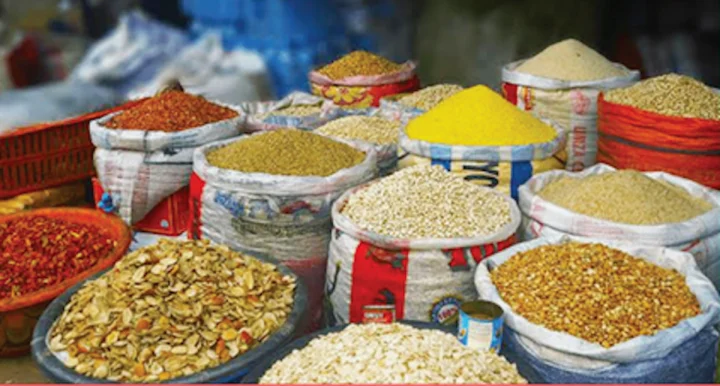
A market survey by the News Agency of Nigeria (NAN) showed that the prices of tomatoes, pepper, onions, garri, beans, sweet potatoes, plantain, eggs and vegetables declined in markets including Garki, Nyanya, Gwagwalada, Apo Resettlement, Dei-Dei, Karu and Lugbe.
At Garki Model Market, a dustbin basket of big red tomatoes dropped to between ₦5,000 and ₦5,500 from ₦6,000–₦7,000, while pepper prices fell sharply from about ₦5,000 to ₦2,500. Similar reductions were recorded in Nyanya Market, where tomatoes sold for as low as ₦2,000–₦3,000 compared to ₦4,000 during the festive period.
Dei-Dei and Mararaba markets also recorded steep declines, particularly in tomatoes and fresh pepper, attributed to improved supply and harvest-season effects. However, some items such as Irish potatoes and beans recorded price increases in select markets, highlighting uneven trends.
Rice prices remained largely stable, with a 50kg bag of local rice selling between ₦52,000 and ₦57,000, while imported rice hovered around ₦64,000.
READ ALSO: Bandits Hold Over 22 Captive in Kwara South, Demand N400m, Food and Drinks as Ransom
Traders and residents attributed the post-Christmas price drop to reduced consumer spending in January and increased supply from farms. Some residents welcomed the relief but urged the government to ensure sustainability.
“The reduction is encouraging, but many people still struggle due to low income,” a civil servant, Yemisi, said, calling for policies that would sustain food affordability.
Agricultural experts warned that the current decline may be temporary. Kabir Ibrahim, president of the All Farmers Association of Nigeria (AFAN), said the drop was largely seasonal and could reverse without long-term measures such as improved security, dry-season farming, better transport infrastructure and stable foreign exchange conditions.
Experts stressed that sustaining lower food prices would require structural reforms to boost production, farmers’ incomes and overall food security nationwide.