
-
U.S. exits WHO over COVID-19 handling, reforms failure and political interference
-
Trump-led decision implemented by Health Secretary Kennedy, Secretary Rubio
-
Washington to pursue global health efforts through direct partnerships, NGOs
The United States has formally completed its withdrawal from the World Health Organisation (WHO), accusing the global health body of mismanaging the COVID-19 pandemic, resisting meaningful reforms and succumbing to political interference by member states.
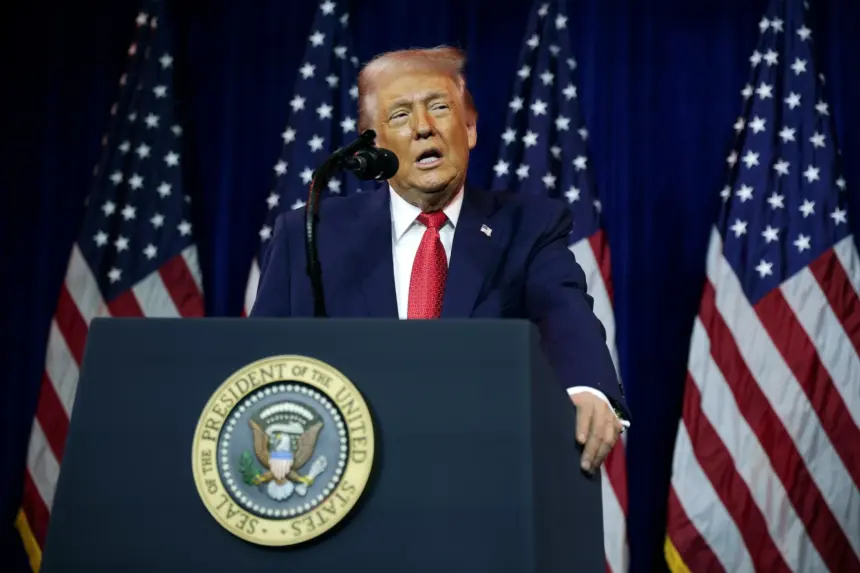
The withdrawal was jointly announced by U.S. Health and Human Services Secretary, Robert F. Kennedy Jr., and Secretary of State, Marco Rubio, in line with a directive issued by President Donald Trump in January 2025.
ATTENTION: Click “HERE” to join our WhatsApp group and receive News updates directly on your WhatsApp!
Over the past year, U.S. authorities halted financial contributions to the WHO, withdrew American personnel and redirected health programmes previously coordinated through the organisation to bilateral and multilateral partnerships with other countries and institutions.
U.S. officials criticised the WHO for delays in declaring COVID-19 a global health emergency and for what they described as undue praise of China’s initial response, despite allegations of underreporting, suppression of critical information and delayed confirmation of human-to-human transmission.
They further faulted the organisation for downplaying the risks associated with asymptomatic and airborne transmission during the early stages of the pandemic.
READ ALSO: Ogun Govt: Just Adetoun on the Run as Doctor Who Issued Fake Medical Report Is Remanded
According to the U.S. government, the WHO failed to implement substantial reforms after the pandemic, leaving unresolved concerns about weak governance structures and excessive political influence.
Going forward, Washington said it would maintain limited coordination with the WHO while expanding global health engagements through direct country partnerships, private sector collaboration, non-governmental organisations and faith-based groups.
The new approach, officials said, will prioritise emergency response, biosecurity coordination and health innovation, with the aim of protecting American public health while continuing to contribute to global health security.