
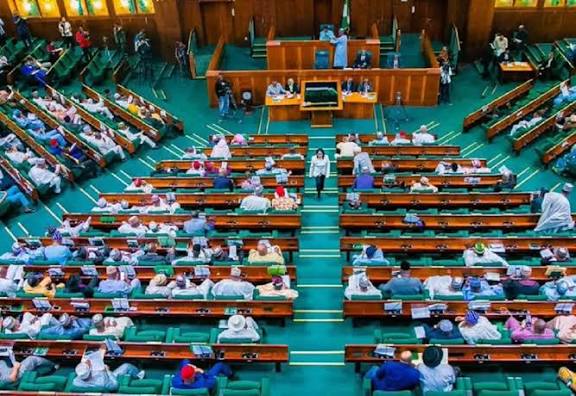
- Senate to reconvene for emergency sitting on February 10, 2026
- Decision follows rejection of real-time electronic result transmission
- Akpabio orders lawmakers back amid public debate
- INEC timetable for 2027 polls delayed by amendments
The Senate emergency sitting scheduled for Tuesday, February 10, 2026, is drawing national attention as lawmakers move to address tensions surrounding the Electoral Act amendment and the controversy over electronic transmission of election results.
The Senate has announced plans to reconvene for an emergency plenary sitting on Tuesday, February 10, 2026.
ATTENTION: Click “HERE” to join our WhatsApp group and receive News updates directly on your WhatsApp!
The decision was disclosed on Sunday in a statement signed by the Clerk of the Senate, Emmanuel Odo, who said all senators have been formally notified and requested to attend.
According to the statement, the move followed a directive from Senate President Godswill Akpabio, who ordered lawmakers to return to the chamber amid growing concerns over recent legislative decisions.
“The President of the Senate, Godswill Akpabio, has directed the reconvening of plenary for an emergency sitting on Tuesday, February 10th, 2026,” Odo stated.
The emergency sitting is expected to begin at 12 noon on Tuesday.
The development comes days after the Senate rejected a proposal seeking to make real-time electronic transmission of election results mandatory in the amended Electoral Act 2026.
Although the Senate passed the Electoral Bill after hours of intense debate, lawmakers voted against a recommendation that would have required presiding officers to upload polling unit results instantly to the INEC Result Viewing (IReV) portal.
The contentious proposal focused on Section 60 of the bill, which regulates how election results are transmitted from polling units. Senators opted instead to retain the framework used in the 2022 Electoral Act, allowing electronic transmission only after votes are counted and results publicly declared at polling units.
Despite rejecting real-time transmission, the Senate approved several other reforms, including adjustments to election timelines, tougher penalties for electoral offences, and updates to voting technology.
Meanwhile, the Independent National Electoral Commission (INEC) has yet to release its timetable and schedule of activities for the 2027 general election. The commission is reportedly holding back due to the ongoing amendments to the Electoral Act currently before the National Assembly.