-
Dangote Refinery demand surges as countries seek alternatives amid Iran war disruptions
-
South Africa, Kenya, Ghana eye fuel deals to secure supply and reduce shortages
-
Global fuel crisis deepens as Middle East tensions strain oil markets and logistics
African nations are increasingly turning to Dangote Petroleum Refinery and Petrochemicals as the ongoing conflict involving Iran tightens global fuel supply chains and triggers widespread uncertainty.
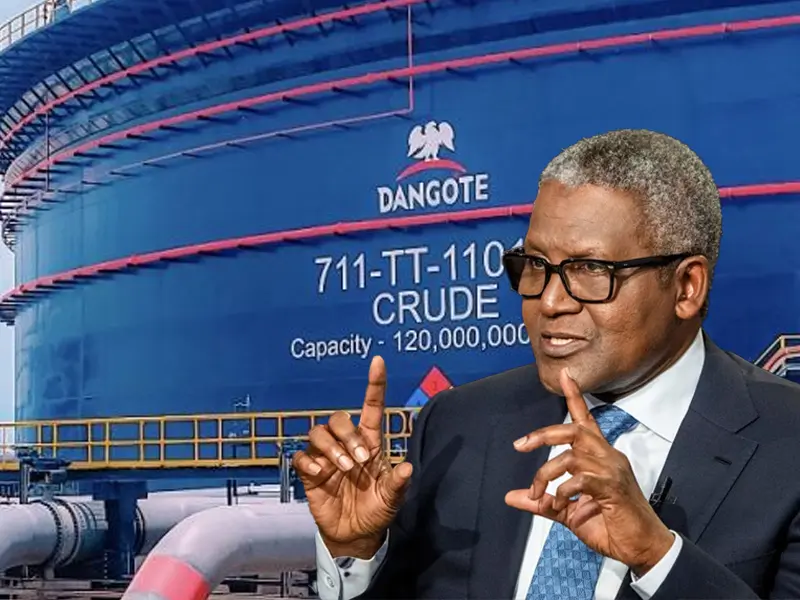
The refinery, owned by Aliko Dangote, has reportedly received growing interest from countries including South Africa, Ghana and Kenya, all seeking reliable fuel supply options amid disruptions linked to the Middle East crisis.
ATTENTION: Click “HERE” to join our WhatsApp group and receive News updates directly on your WhatsApp!
Sources familiar with the discussions disclosed that South Africa is pursuing a 12-month supply agreement with the Nigerian facility, although talks remain private.
The global ripple effects of the conflict—linked to tensions involving Iran, the United States and Israel—have extended beyond Africa, with reports of cooking gas shortages in India and reduced naphtha supply in Japan.
READ ALSO: Dangote refinery raises petrol price to ₦1,175 per litre
Energy experts say Africa is particularly vulnerable, as about 75 per cent of refined fuel imports in parts of the continent originate from the Middle East, leaving countries exposed to supply shocks.
Despite having sufficient fuel for the immediate term, South African authorities said they are actively working with industry stakeholders to diversify supply sources and manage potential risks.
The Dangote refinery, with a production capacity of 650,000 barrels per day, currently allocates about 75 per cent of its output to domestic consumption in Nigeria, leaving a portion available for export.
Dangote, speaking on the situation, emphasised that availability—not pricing—has become the key concern in the current market environment. “Right now it is not about pricing, it’s about availability,” he said, warning that the supply challenges may persist.
Across Africa, governments and companies are adjusting to the evolving crisis.
In Ethiopia, authorities have directed fuel stations to prioritise public transport, while in Mogadishu, fuel prices have nearly doubled.
Industry operators are also bracing for broader economic impacts, including rising freight costs, insurance premiums and increased demand for alternative energy sources such as coal.