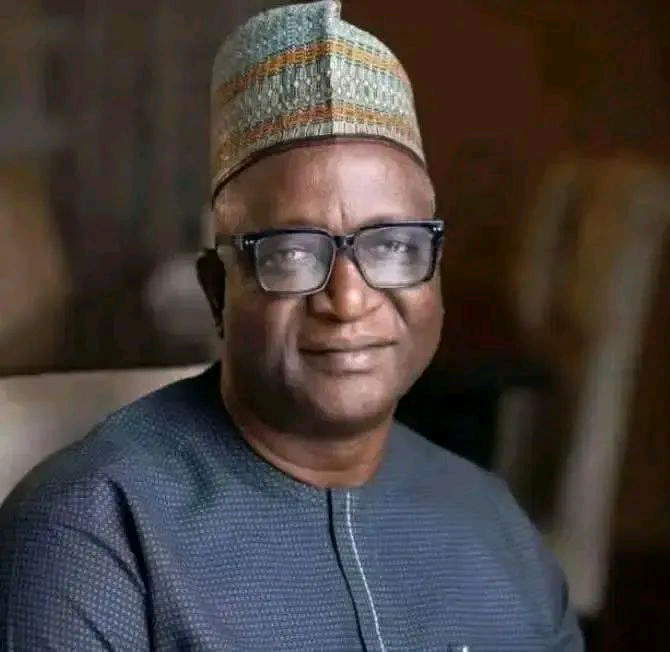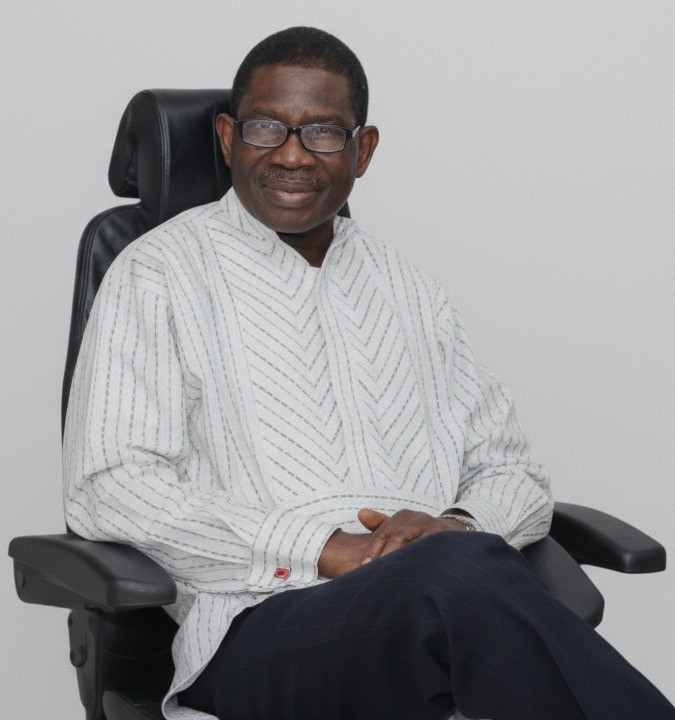
In an era when public life is often marked by noise rather than substance, Elder Edmund Doyah-Tiemo represents a steadier tradition of leadership.
A native of Egbema Kingdom in Delta State, he has built a reputation over decades as a disciplined professional, a measured community leader, and a benefactor committed to long-term development.
ATTENTION: Click “HERE” to join our WhatsApp group and receive News updates directly on your WhatsApp!
Before dedicating himself fully to civic responsibilities, Elder Tiemo served in Nigeria’s banking sector, rising to senior positions that demanded prudence, regulatory insight, and institutional trust.
Colleagues from that period describe a man shaped by structure and accountability, traits that would later define his approach to community governance.
In retirement, he turned his attention to development advocacy within oil-producing host communities. As Chairman of the Egbema Opudis Host Community Development Trust Board of Trustees, he has overseen initiatives aimed at translating statutory frameworks into meaningful local outcomes.
Under his guidance, the Trust prioritised scholarship support, youth advancement, and structured engagement between corporate operators and community stakeholders.
Traditional authorities and civic leaders publicly affirmed his character, citing consistency, restraint, and a preference for consensus over confrontation. In moments of internal tension, he has been regarded as a senior voice capable of tempering rhetoric with experience.
Now in his late seventies, Elder Tiemo remains active in advisory and philanthropic roles. His work reflects a philosophy rooted in duty rather than visibility.
Those close to him often note that his most significant interventions have occurred away from public ceremonies, in policy discussions, trust meetings, and private mediation efforts that strengthen communal stability.
His career offers a reminder that national development is often advanced by individuals whose influence rests not in headlines, but in institutions that endure.
For publication of Press Releases, Statements, and Advert Inquiries, send an email to info@dailyreport.ng