-
Federal Government bans highway tax and levy collection nationwide.
-
Presumptive Tax Framework (PTF) exempts businesses earning below ₦50m annually.
-
Cash tax payments outlawed as FG moves to widen tax base and protect small businesses.
The Federal Government of Nigeria has outlawed the collection of taxes and levies on highways across the country, ending the long-criticised practice of mounting roadblocks for revenue enforcement.
The announcement was made by Olusegun Adesokan, Executive Secretary of the Joint Revenue Board (JRB), during the signing of the Presumptive Tax Framework (PTF) at the Federal Ministry of Finance in Abuja on March 3.
ATTENTION: Click “HERE” to join our WhatsApp group and receive News updates directly on your WhatsApp!
He stated clearly that tax officials are now prohibited from using roadblocks to collect levies.
Adesokan described the new framework as a major reform designed to make Nigeria’s tax system fairer and more inclusive.
Under the arrangement, nano and small businesses with an annual turnover of up to ₦50 million will be fully exempt from paying tax.
He explained that the exemption is meant to help small entrepreneurs stabilise and grow before entering the formal tax net.
For informal businesses above the exemption threshold, the framework introduces a simplified turnover-based tax system, eliminating complex accounting requirements.
The reform also bans all forms of cash tax collection, mandating digital and technology-driven payment channels to improve transparency and accountability.
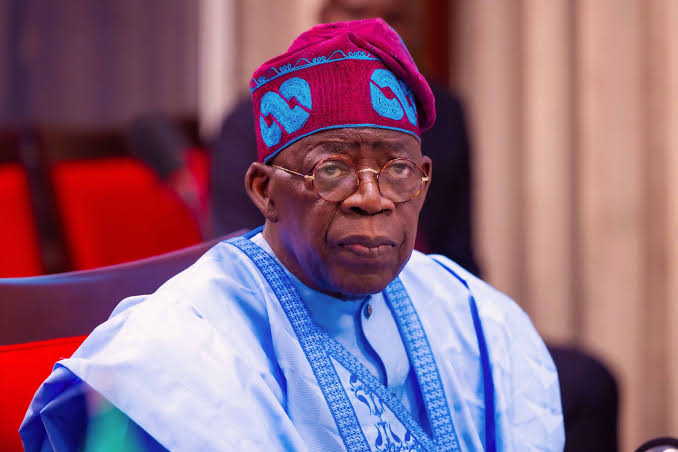
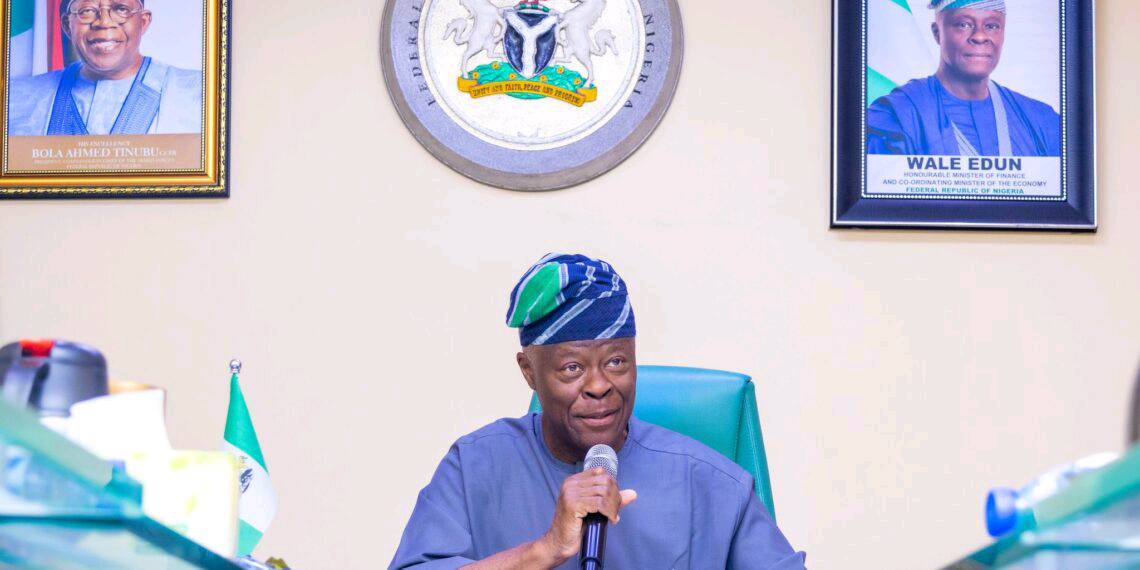
Minister of Finance and Coordinating Minister of the Economy, Wale Edun, said the PTF forms part of the broader tax reform programme of President Bola Ahmed Tinubu’s administration.
According to him, the goal is to expand Nigeria’s tax base without increasing tax rates.
Edun stressed that the presumptive taxation system is designed to be simple, predictable and fair, relying on clear indicators such as business type and turnover rather than complicated financial records.
He noted that the reforms will protect taxpayers from arbitrary assessments while giving tax authorities nationwide a uniform, rules-based system.
The minister added that broadening the tax base will strengthen non-oil revenue and enhance government capacity to fund infrastructure, security, social investments and economic growth.
For publication of Press Releases, Statements, and Advert Inquiries, send an email to info@dailyreport.ng