
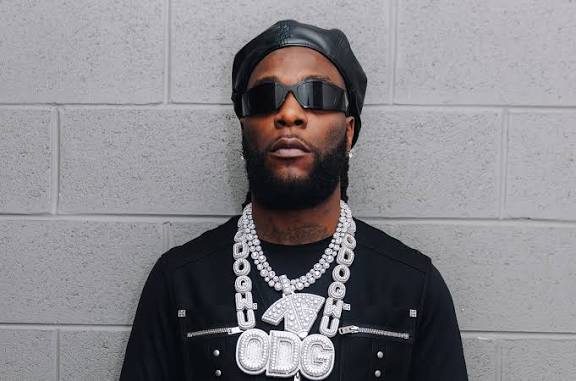
A major legal battle has broken out over the ownership of the early music catalogue of Grammy Award–winning Nigerian artiste Burna Boy, born Damini Ebunoluwa Ogulu.
The dispute is between his former record label and his current management, following alleged secret deals involving his early master recordings. What was meant to be a celebratory move to reclaim his music has now escalated into criminal investigations and multiple lawsuits at the Federal High Court in Lagos and Port Harcourt.
ATTENTION: Click “HERE” to join our WhatsApp group and receive News updates directly on your WhatsApp!
At the heart of the conflict is a transaction carried out around May–June 2024. Burna Boy, popularly known as the African Giant, was reportedly attempting to regain ownership of his early works. However, venture capital firm 960 Music Group, which owns a 40% stake in Aristokrat Records, has strongly opposed the deal.
According to findings, Aristokrat Records, the label that introduced Burna Boy to the music scene in 2011; allegedly sold his early intellectual property and master recordings. These include foundational songs such as Like to Party and Tonight. The assets were reportedly transferred to Spaceship Music, Burna Boy’s current imprint, which is managed by his mother, Bose Ogulu.
960 Music Group claims the sale was illegal, insisting it was done without their knowledge or consent, despite their significant equity stake in Aristokrat Records. As a result, the company has filed lawsuits in both Lagos and Port Harcourt, asking the courts to declare the transaction null and void.
“You cannot sell 100 percent of an asset when you only own 60 percent of it,” a 960 Music executive said. “This was a coordinated attempt to move the IP quietly, and we are asking the court to restore those assets.”
The controversy has since moved beyond civil litigation. Nigeria’s Force Criminal Investigation Department (FCID) has filed criminal charges against Piriye Isokrari, the founder of Aristokrat Records, following investigations into alleged financial misconduct and fraud raised by 960 Music Group.
The case has sent shockwaves through Nigeria’s music industry, reigniting conversations around master ownership, transparency, and artist rights, especially for legacy recordings that helped shape modern Afrobeats.