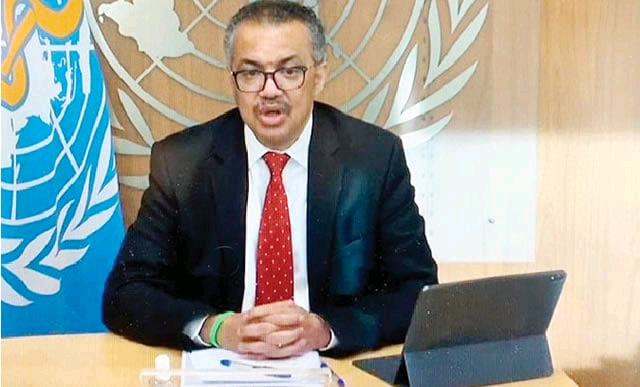
Nigeria has been accused of breaching key provisions of the World Health Organisation Framework Convention on Tobacco Control (WHO FCTC) and failing to comply with excise tax directives set by the Economic Community of West African States (ECOWAS), raising concerns about the country’s commitment to tobacco regulation and public health protection.
The issue was highlighted during a one-day stakeholder engagement in Abuja, where the Nigerian Tobacco Control Alliance (NTCA), supported by Corporate Accountability and Public Participation Africa (CAPPA), presented findings from the 2025 Nigeria Tobacco Industry Interference Index.
ATTENTION: Click “HERE” to join our WhatsApp group and receive News updates directly on your WhatsApp!
According to the report, Nigeria currently falls below globally accepted benchmarks on tobacco taxation, making cigarettes and other tobacco products more accessible to consumers.
The World Health Organisation (WHO) recommends that excise taxes should account for at least 70 per cent of the retail price of tobacco products, a policy designed to discourage smoking by increasing the cost.
Similarly, ECOWAS requires member states to implement a minimum 50 per cent ad valorem excise tax on tobacco products.
However, stakeholders say Nigeria has not yet met either of these thresholds, a situation that continues to make tobacco products relatively affordable, particularly for young people and low-income earners.
The NTCA warned that the failure to strengthen tobacco tax policies undermines public health efforts and reduces potential government revenue that could be invested in healthcare and the prevention of non-communicable diseases.
Tobacco Industry Influence
Beyond taxation concerns, the report also highlighted growing tobacco industry interference in Nigeria’s policy environment.
CAPPA Executive Director Akinbode Oluwafemi described the level of industry involvement in governance processes as systemic, citing policy manipulation, weak regulatory enforcement, and ongoing engagement with public institutions.
One major concern raised in the report is the increasing normalisation of corporate social responsibility (CSR) initiatives funded by tobacco companies.
The British American Tobacco Nigeria Foundation was identified as a key organisation supporting projects in agriculture, water supply, and education across several states in partnership with government agencies.
Stakeholders argued that such initiatives are often used as a strategic tool by tobacco companies to build goodwill, gain political access, and influence policy decisions.
The NTCA stressed that these engagements contravene Article 5.3 of the WHO Framework Convention on Tobacco Control, which requires governments to protect public health policies from tobacco industry influence.
The report also raised concerns about the continued participation of tobacco companies in policy and legislative processes.
During legislative hearings on proposed amendments to the National Tobacco Control Act in 2024, representatives of British American Tobacco Nigeria and related groups reportedly participated in debates, advocating for provisions that favour industry interests.
Stakeholders including Olawale Makanuola, Zikora Ibeh, and Mary Assunta also highlighted the risk of overlapping responsibilities among government institutions, which could create loopholes for industry influence.
For instance, the Federal Ministry of Industry, Trade and Investment was reported to have drafted regulations on non-combustible tobacco products, an area typically overseen by public health authorities.
This overlap, stakeholders said, may lead to regulatory conflicts and weaken tobacco control policies.
Similarly, the Standards Organisation of Nigeria (SON) has continued to include tobacco companies in its technical committees, giving them input into standards development that ideally should prioritise public health interests.
Although Nigeria’s tobacco control laws require government agencies to disclose interactions with tobacco companies, compliance has reportedly remained weak.
Most of such engagements, stakeholders said, only become known through media reports rather than official disclosures, limiting public oversight and weakening trust in regulatory institutions.
The report also highlighted concerns about potential conflicts of interest, referencing alleged associations between certain public officials and tobacco industry actors.
While there is no confirmed evidence that former public officials joined tobacco companies during the review period, stakeholders called for stronger disclosure rules and ethical compliance mechanisms.
Despite existing provisions in the National Tobacco Control Act that prohibit political donations from tobacco companies, enforcement within Nigeria’s broader campaign finance system remains weak.
Advocacy groups say improving transparency and strengthening regulatory enforcement will be critical to protecting public health and reducing tobacco-related harm in Nigeria.
For publication of Press Releases, Statements, and Advert Inquiries, send an email to info@dailyreport.ng