- Nigeria budget deficit hits ₦25.27 trillion in 2026 proposal
- Senate borrowing plan confirmed amid weak revenue
- Debt servicing projected at ₦15.9 trillion
- Health Ministry funding crippled by poor capital releases
Nigeria’s budget deficit is set to widen further as the Senate confirmed that the country will continue borrowing to fund the 2026 budget, raising fresh concerns over rising debt, weak revenue mobilisation, and poor budget implementation by government agencies.
The Senate has disclosed that Nigeria will rely on fresh borrowings to finance its expanding budget gap, even as lawmakers and fiscal experts warned that unchecked debt and poor revenue inflows could push the country into deeper financial trouble.
ATTENTION: Click “HERE” to join our WhatsApp group and receive News updates directly on your WhatsApp!
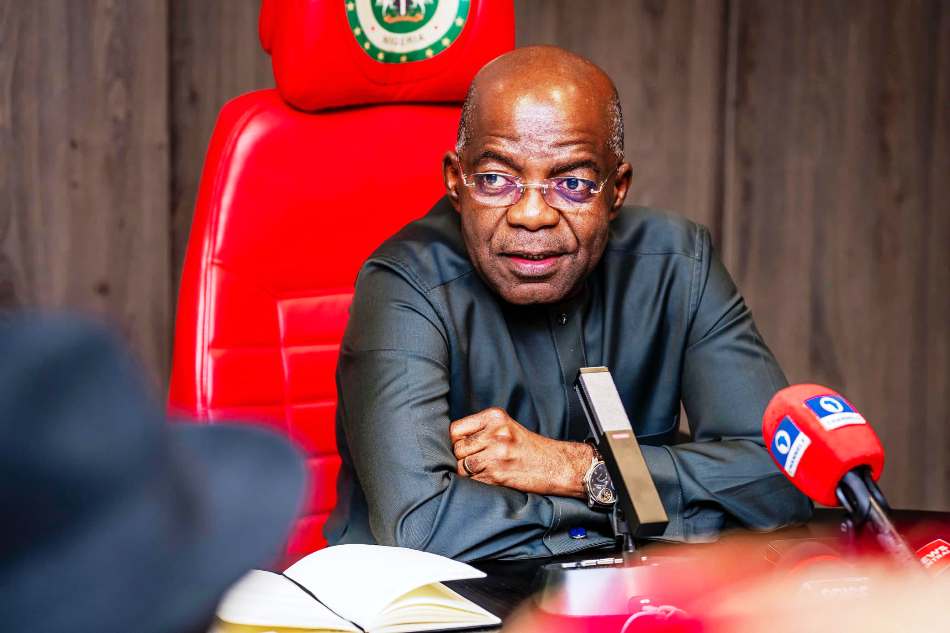
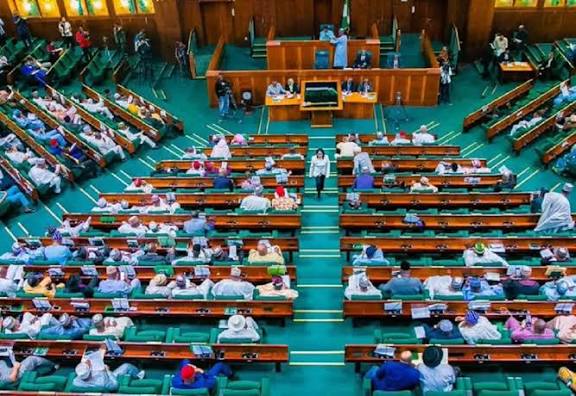
Chairman of the Senate Committee on Appropriations, Senator Solomon Adeola, made this known during the public hearing on the 2026 Appropriation Bill held at the National Assembly in Abuja.
According to Adeola, the 2026 budget estimates total spending at ₦58.47 trillion, while projected revenue stands at ₦33.19 trillion, leaving a deficit of ₦25.27 trillion.
“Nigeria cannot avoid borrowing because revenue inflows are unpredictable and development needs are enormous. The real issue is how responsibly we manage these deficits,” Adeola said.
Findings also revealed that debt servicing alone will consume ₦15.90 trillion, placing additional pressure on government finances.
To curb waste, Adeola said the National Assembly would no longer approve budget rollovers or extensions beyond December 31 of any fiscal year, blaming past extensions for abandoned projects and weak implementation.
“Never again will budget extensions be granted. We must enforce strict timelines and ensure that public funds deliver real results,” he stated.
The Senate also vowed to scrutinise service-wide votes, warning that no agency would benefit from such spending without clear accountability. Adeola added that borrowing would be carefully structured to avoid crowding out private sector credit, with emphasis on external loans, public-private partnerships, asset optimisation, privatisation, and Eurobond issuances.
He further identified the electricity sector as a major drain on public finances, calling for urgent reforms, including full unbundling of the power sector.
Health Ministry Raises Alarm
Meanwhile, the Minister of Health, Prof. Mohammed Ali Pate, revealed that the Federal Ministry of Health received only ₦36 million out of the ₦218 billion approved for its 2025 capital budget.
Speaking during the ministry’s 2026 budget defence before the House of Representatives Committee on Healthcare Services, Pate said the poor release made it impossible to execute capital projects.
“Although personnel funds were fully released, the capital component suffered serious constraints due to the bottom-up cash planning system,” he explained.
He added that delays in Nigeria’s counterpart funding prevented access to donor-supported health projects, further stalling implementation.
Pate noted that Nigeria’s health planning follows key frameworks such as Vision 20:2020, the National Development Plan (2021–2025), and the National Strategic Health Development Plan II, with Universal Health Coverageremaining a core priority.
Chairman of the House Committee, Amos Magaji, directed the ministry to submit detailed records of donor funds received and how they were utilised.
For publication of Press Releases, Statements, and Advert Inquiries, send an email to info@dailyreport.ng