
-
US suspends visa processing for Nigeria, Russia and 73 others, effective January 21, pending a full review of screening rules.
-
Decision linked to stricter enforcement of the “public charge” rule, targeting applicants deemed likely to depend on welfare.
-
Pause affects multiple visa categories and has no clear end date, deepening uncertainty for travellers and students.
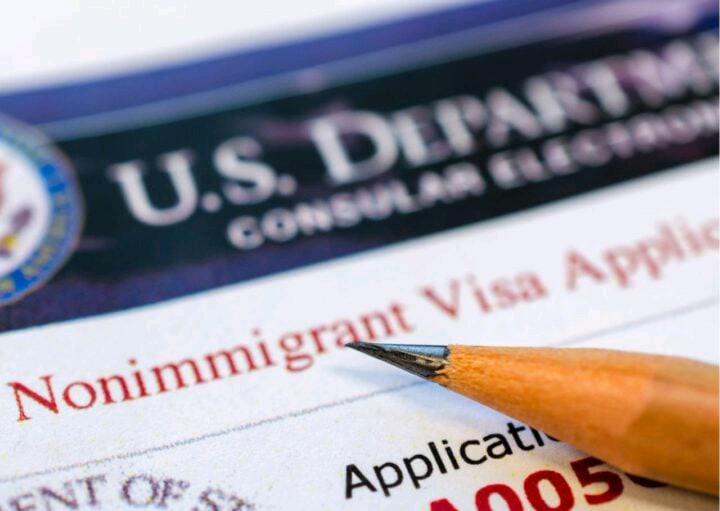
The United States government has ordered a pause in visa processing for Nigeria, Russia and at least 73 other countries as Washington tightens immigration screening amid concerns over welfare dependence.
READ ALSO: European Union Disburses €1bn to Ukraine from Frozen Russian Assets
ATTENTION: Click “HERE” to join our WhatsApp group and receive News updates directly on your WhatsApp!
According to an internal memo from the US Department of State, consular officers have been directed to suspend visa processing for the affected countries from January 21, 2026, while a broad reassessment of vetting procedures is conducted.
The directive, first reported by Fox News, instructs visa officers to rely on existing provisions of US immigration law to refuse applications during the review period.
The pause cuts across multiple visa categories and will remain in effect until the reassessment is concluded.
Countries affected span Africa, the Middle East, Asia, Europe and Latin America, including Nigeria, Somalia, Egypt, Iran, Iraq, Yemen, Afghanistan, Russia, Brazil and Thailand.
The policy shift is tied to the long-standing “public charge” rule, which allows US authorities to deny visas to applicants considered likely to rely on public benefits. In November 2025, the State Department issued guidance to embassies worldwide mandating stricter enforcement of the rule.
Under the updated guidance, consular officers are required to assess factors such as age, health status, English proficiency, financial strength, employment prospects and potential long-term medical needs before approving visas.
While Nigeria was not specifically cited for welfare-related concerns, its inclusion places it among countries now facing tougher migration controls, potentially affecting thousands of Nigerians seeking student, work, tourist and family-based visas annually.
The State Department has yet to announce a timeline for completing the review or clarify whether humanitarian exemptions will apply, a development expected to heighten uncertainty and strain people-to-people relations with affected countries.