-
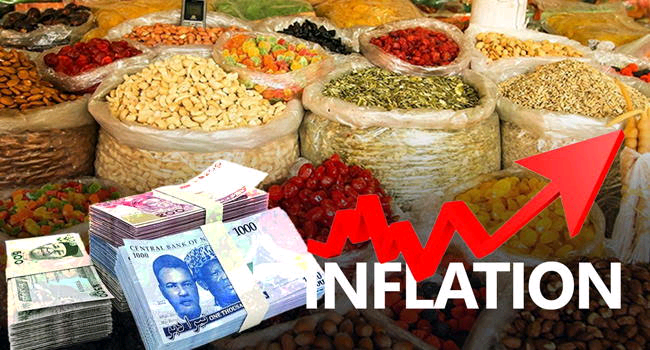
Nigeria inflation at 15.15% questioned by economists
-
Experts say NBS inflation data fails to capture real cost-of-living pressures
-
Rising food, transport, housing and energy costs still burden Nigerians
Economists have raised fresh concerns over Nigeria’s official inflation figures, arguing that the data does not reflect the harsh cost-of-living realities faced by citizens across the country.
The National Bureau of Statistics (NBS) recently reported that Nigeria’s Consumer Price Index (CPI) and inflation rate rose to 15.15 per cent in December 2025, up from 14.45 per cent recorded in November.
ATTENTION: Click “HERE” to join our WhatsApp group and receive News updates directly on your WhatsApp!
The increase followed months of reported disinflation after the rebasing of inflation data, which shifted the base year from 2009 to 2024. However, the revised methodology also adjusted year-on-year inflation upward by about three percentage points across 11 months, further fuelling doubts about the credibility of the figures.
Despite the NBS reporting a sharp drop in inflation from 34.80 per cent in December 2024 to 15.15 per cent in December 2025, many Nigerians say there has been no noticeable relief in daily expenses.
Speaking to DAILY POST, Professor of Accounting and Finance at Lead City University, Prof. Godwin Oyedokun, said the latest figures highlight a deepening cost-of-living crisis rather than improvement.
Oyedokun noted that the December increase ended a brief period of disinflation and confirmed that inflationary pressures remain firmly embedded in the economy.
According to him, the year-on-year trend is more alarming, with inflation rising by about three percentage points over the past 11 months, indicating that structural drivers of inflation remain unresolved.
READ ALSO: Prices of Garri, Beans and Others Reduced as Nigeria’s Inflation Rate Falls to 15.15%
He stressed that the figures offer little comfort to households, as prices of essentials such as food, transportation, housing and energy — which make up the bulk of household spending — continue to rise sharply.
“The data shows a growing disconnect between macroeconomic indicators and everyday realities. Inflation numbers may change statistically, but households respond to permanently higher prices, not technical trends,” Oyedokun said.
He added that without strong policies to boost local production, stabilise energy and transport costs, and protect real incomes, changes in inflation figures would have minimal impact on living standards.
Similarly, former President of the Chartered Institute of Bankers of Nigeria (CIBN), Okechukwu Unegbu, questioned the credibility of the NBS data, particularly on food inflation.
Unegbu argued that the official figures do not reflect conditions in local markets, noting that real prices faced by consumers are far higher than what is reported.
He also alleged that political considerations influence the statistics released by the Bureau, while delays in data analysis further reduce their relevance.
“By the time the figures are released, a lot has already changed. The reality on the ground does not align with what the NBS announces,” Unegbu said.
The experts agreed that unless underlying economic challenges are addressed, official inflation figures will continue to differ sharply from the lived experiences of Nigerians.
For publication of Press Releases, Statements, and Advert Inquiries, send an email to info@dailyreport.ng