
-
Peter Obi faults Federal Government over recurring national grid collapse
-
Ex-LP presidential candidate cites poor electricity access and low power generation
-
Says leadership failure threatens productivity, urges competence ahead of 2027 elections
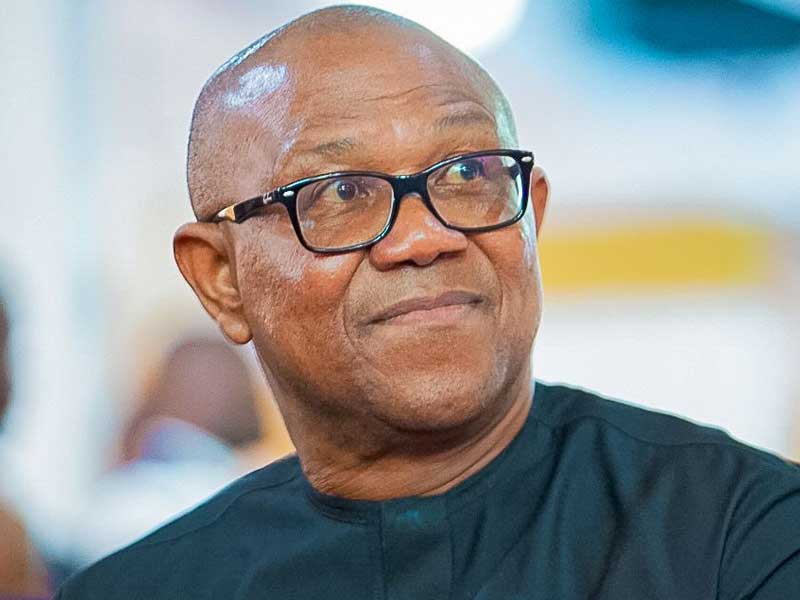
Former Labour Party presidential candidate, Peter Obi, has criticised the Federal Government over the repeated collapse of Nigeria’s national electricity grid, describing the situation as a national embarrassment and a clear sign of leadership failure.
Obi made the remarks in a statement posted on his X handle on Saturday, reacting to the latest grid collapse recorded in January 2026.
ATTENTION: Click “HERE” to join our WhatsApp group and receive News updates directly on your WhatsApp!
According to him, the incident signals the continuation of what he called a pattern of “national shame,” recalling that the first grid collapse in 2025 also occurred in January and was followed by several others within the same year.
“It is utterly disappointing that for three consecutive years, from 2023 to 2025, our nation has been ranked as having the least access to electricity globally, with nearly 100 million citizens left without power,” Obi said.
READ ALSO: Woman Gives Birth After Freedom From Bandits in Zamfara
The former Anambra State governor compared Nigeria’s electricity generation capacity with that of other African countries, highlighting what he described as a troubling disparity.
He noted that South Africa, with a population of about 64 million people, generates and distributes over 40,000 megawatts of electricity, while Egypt, with approximately 115 million people, also produces more than 40,000 megawatts. Algeria, he added, with a population of about 48 million, generates and distributes over 50,000 megawatts.
In contrast, Obi said Nigeria, Africa’s most populous country with over 240 million people, produces only about 5,000 megawatts of electricity, a figure he described as “absurdly low” and harmful to national productivity.
He attributed the persistent electricity crisis to continuous leadership failures, stressing that the power sector remains critical to economic growth and national development.
Looking ahead to the 2027 general elections, Obi urged Nigerians to place priority on competence and empathy in leadership, insisting that meaningful progress is impossible without capable and committed leaders.