
-
LIRS cites legal power to recover unpaid taxes via bank debits
-
Taiwo Oyedele says action is a last resort after due process
-
Experts warn of panic, financial instability, and loss of public trust
Fresh concerns have emerged over Nigeria’s tax reforms following a notice by the Lagos Internal Revenue Service (LIRS) indicating that tax authorities have the power to debit personal bank accounts to recover unpaid taxes.
In a notice seen at the weekend, LIRS stated that Section 60 of the Nigeria Tax Administration Act empowers tax authorities to recover outstanding tax liabilities through direct bank debits under a mechanism known as “substitution.”
ATTENTION: Click “HERE” to join our WhatsApp group and receive News updates directly on your WhatsApp!
Neither the Nigeria Revenue Service nor the Presidential Fiscal Policy and Tax Reforms Committee has denied the report.
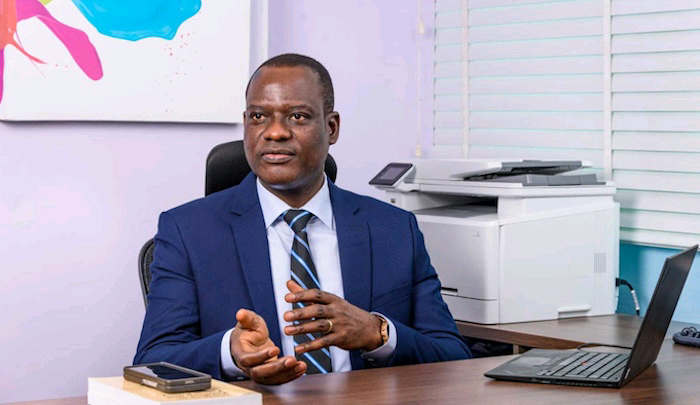
Reacting to the development, the Chairman of the committee, Taiwo Oyedele, in a statement he shared on X, clarifying that the measure is only used as a last resort.
According to him, the power of substitution allows tax authorities to instruct a third party, such as a bank, to remit funds belonging to a defaulting taxpayer only after all legal and administrative remedies, including court appeals, have been exhausted.
Oyedele stressed that the process is neither arbitrary nor discretionary and must follow strict due process.
However, the clarification appeared to contradict his earlier assurances that the new tax laws did not empower any level of government to debit personal bank accounts.
The conflicting positions have triggered anxiety among Nigerians, with economists and financial experts warning that the policy could undermine public confidence in the banking system.
Speaking to newsmen, the Chief Executive Officer of the Centre for the Promotion of Private Enterprise, Dr Muda Yusuf, said the situation had created fear and confusion, noting reports of people withdrawing funds from banks over concerns of arbitrary debits.
Yusuf said while tax reforms were necessary, authorities must clearly explain enforcement mechanisms to avoid panic, warning that money in bank accounts may not always belong to the account holder but could include funds from contractors, suppliers, or third parties.
READ ALSO: Panic as Lagos public school building collapses in Ikorodu
He cautioned that aggressive enforcement could drive Nigerians to keep cash at home or convert savings to foreign currencies, thereby weakening financial inclusion and trust in the banking system.
Yusuf also insisted that such actions should only occur with explicit court approval, describing judicial oversight as essential in managing sensitive tax recovery measures.
Similarly, former President of the Chartered Institute of Bankers of Nigeria, Mazi Okechukwu Unegbu, described the move as dangerous, questioning its legal foundation and warning that it could create long-term instability in the financial sector.
Unegbu said arbitrary debiting of accounts, if unchecked, could erode confidence in both the tax system and the banking industry.
Both experts urged the government to carefully manage the tax reform process, stressing that revenue generation must be balanced with transparency, due process, and public trust.
Recall that Nigeria’s new tax laws have remained controversial, with allegations that the gazetted version was altered after approval.