
-
Sharia Council vows to reject elections lacking integrity ahead of 2027 polls
-
Council highlights insecurity, economic hardship, and public distrust as national crises
-
Urges ethical governance, equitable fiscal policies, and protection of Muslim rights
The Supreme Council for Shari’ah in Nigeria has issued a stern warning that it will not recognise or legitimise elections conducted under compromised conditions, emphasizing that the integrity of Nigeria’s democratic process must be preserved ahead of the 2027 general elections.
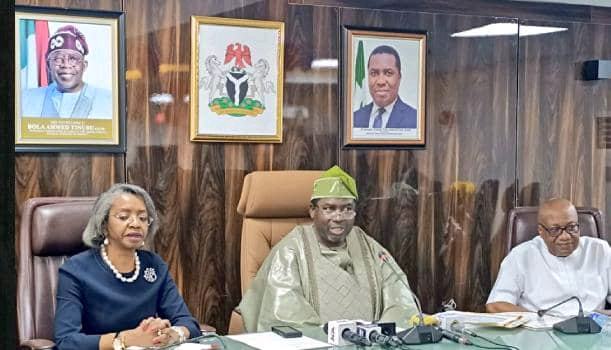
The Council made the declaration during its Annual Pre-Ramadan Lecture and General Assembly in Abuja, attended by Islamic scholars, community leaders, professionals, and media representatives. Sheikh Bashir Aliyu Umar, President of the Council, highlighted the critical role of public trust in electoral institutions, warning that democratic legitimacy cannot exist without integrity.
ATTENTION: Click “HERE” to join our WhatsApp group and receive News updates directly on your WhatsApp!
“The Ummah will not recognise or legitimise any election presided over by a character with questionable integrity,” Umar stated, underscoring that compromised elections undermine public confidence and national stability.
The Council also raised concerns over INEC leadership issues, noting that elections conducted under questionable circumstances would lack credibility. Beyond electoral matters, it pointed to worsening insecurity, economic hardship, inflation, unemployment, and rising living costs as urgent national challenges, emphasizing that Muslim communities are disproportionately affected by violence and terrorism.
The body condemned inflammatory narratives around religious violence, rejecting claims such as the so-called “Christian genocide,” and urged responsible public discourse to maintain peace. On governance, the Council criticised tax reforms that impose undue hardship and stressed that fiscal policies must be equitable, humane, and socially responsible.
Additionally, the Council decried imbalances in federal appointments, warning that such practices threaten constitutional equity and national cohesion. It reaffirmed that the implementation of Shariah is a constitutional right for Muslims, stressing that peaceful coexistence with other communities remains a priority.
On international affairs, the Council condemned the ongoing war in Gaza, describing it as genocide and calling for global attention to the suffering of the Palestinian people.
READ ALSO: Court Sacks Abure, Orders INEC to Recognise Nenadi Usman–Led Labour Party Exco
Mallam Muhammadu Munir Ja’afaru, Madakin Zazzau, lauded the Sharia Council as a principled voice for justice, unity, and stability, urging Islamic scholars to use the upcoming Ramadan Tafseer sessions to promote ethical leadership, civic responsibility, and national renewal.