
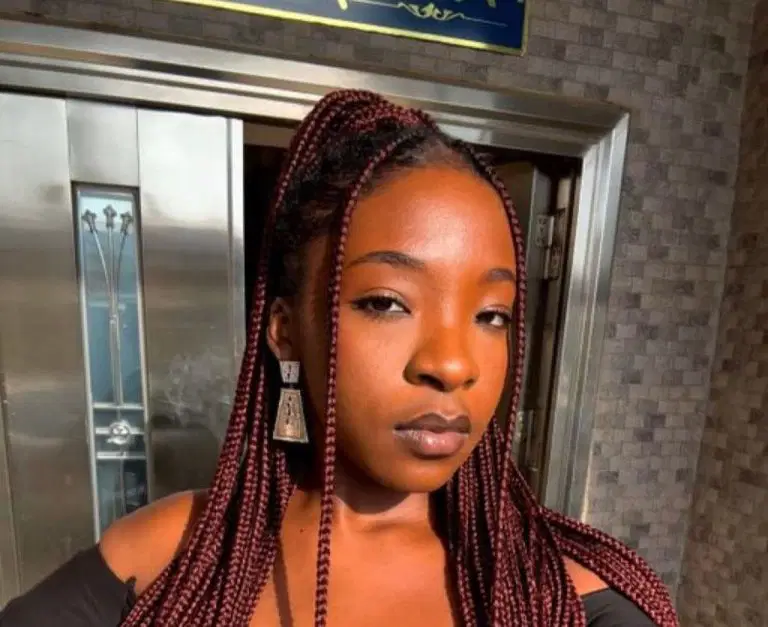
- Nigerians blame healthcare failure, not snake bite
- Ifunanya Nwangene died after hospitals lacked antivenom
- Netizens cite neglect of basic medical essentials
- Calls grow for urgent health sector reform
Public outrage has erupted across social media following the death of Nigerian singer Ifunanya Nwangene, with many Nigerians insisting that system failure, not a snake bite, was responsible for her death in Abuja.
Following the passing of 26-year-old singer Ifunanya Nwangene, Nigerians have taken to social media to vent anger at what they describe as a broken healthcare system that failed to save a life that could have been spared.
ATTENTION: Click “HERE” to join our WhatsApp group and receive News updates directly on your WhatsApp!
Nwangene, who gained national attention after appearing on The Voice Nigeria in 2021 and later built a strong following on TikTok, was reportedly bitten by a snake at her Abuja residence. She was rushed to two hospitals but died after antivenom was unavailable.
Many netizens argue that snake bites are survivable emergencies worldwide, when healthcare systems function properly.
Popular health influencer Aproko Doctor said the tragedy exposed a deeper national failure.
“What if I tell you it wasn’t the snake that killed her, but the system?” he wrote.
“Snakes bite people everywhere; India, Australia, rural and urban areas, but people don’t die because hospitals actually have antivenom.”
He questioned why Echitab, an antivenom developed specifically for Nigerian snakes, was not readily available.
“Why was this not in the hospital fridge in 2026? Because we’ve forgotten the basics,” he added.
“We build flyovers, but ambulances don’t exist. We build ultramodern hospitals while primary healthcare is abandoned.”
Human rights lawyer Dele Farotimi also weighed in, drawing comparisons with Nigeria’s medical past.
“In the 1950s and 1960s, UCH Ibadan treated Saudi royalty,” he said.
“In 2026 Nigeria, people die because hospitals lack basic antivenom while doctors are forced abroad.”
Animal and nature enthusiast Arojinle described the shortage as widespread.
“Even top hospitals don’t have antivenom,” he said.
“Someone I know checked 12 pharmacies before finding it at the 13th.”
Many Nigerians say Ifunanya’s case gained attention only because she was known online, stressing that countless unnamed victims face the same fate daily.
The tragedy has renewed calls for urgent investment in primary healthcare, emergency response systems, and essential life-saving drugs nationwide.