- Bill seeks to end dual citizenship for Americans.
- US citizens may have to choose one nationality.
- Policy could affect thousands of Nigerian-Americans.
- Bill follows Trump’s earlier citizenship-restriction order.
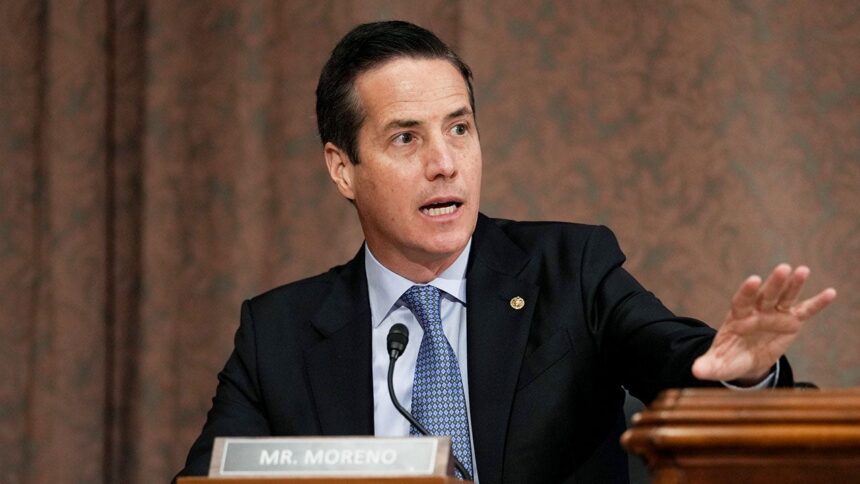
A fresh debate has erupted across the United States after Ohio Senator Bernie Moreno submitted a new bill seeking to abolish dual citizenship for American nationals.
If passed, the proposed law will compel U.S. citizens to hold only one nationality and those with two would have one year to renounce either their U.S. citizenship or that of another country. The bill argues that dual citizenship may create divided loyalty and conflicting national interests.
ATTENTION: Click “HERE” to join our WhatsApp group and receive News updates directly on your WhatsApp!
READ ALSO: US Senator Introduces Bill to End Dual Citizenship, Affecting Nigerians
Moreno, who was born in Colombia and migrated to the United States as a child, said his decision was inspired by his personal journey. He recalled giving up his Colombian citizenship at 18 when he officially became a U.S. citizen, a step he describes as a symbol of full commitment.
“It was an honor to pledge an oath of allegiance to the United States of America and ONLY to the United States,” Moreno stated.
“Being an American is a privilege. If you choose to be American, then it should be all or nothing.”
The bill, if implemented, could significantly impact global immigration communities, including thousands of Nigerians with U.S. dual citizenship who currently enjoy both identities legally.
READ ALSO: Man Calls on Senate to Reject Reno Omokri’s Ambassadorial Nomination
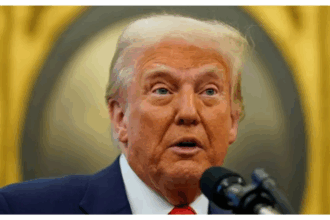
This push comes months after former President Donald Trump signed an executive order attempting to limit automatic U.S. citizenship for children of undocumented parents. That order immediately sparked legal battles from 18 states and multiple civil-rights organisations, who argued that it violated the 14th Amendment. The policy remains tied up in court and has not taken effect.
Moreno’s proposal is now expected to trigger heated debate in Washington, especially among immigrant communities, diaspora networks, and lawmakers who believe dual citizenship strengthens rather than weakens cultural identity.