
- Nigeria inflation rate fell sharply to 15.15% in December 2025
- Food inflation dropped due to cheaper staple food items
- Month-on-month inflation slowed, showing easing price pressure
- NBS says CPI changes are technical, not economic decline
Nigeria’s headline inflation rate dropped significantly to 15.15 percent in December 2025, according to the latest Consumer Price Index (CPI) report released by the National Bureau of Statistics (NBS). The figure represents a 2.18 percentage point decline from the 17.33 percent recorded in November, signaling easing pressure on consumer prices across the country.
The NBS report shows that inflation in December 2025 was far lower than the 34.8 percent recorded in December 2024, offering some relief to households struggling with rising living costs.
ATTENTION: Click “HERE” to join our WhatsApp group and receive News updates directly on your WhatsApp!
On a month-on-month basis, Nigeria’s inflation rate slowed to 0.54 percent, down from 1.22 percent in November. This drop suggests that prices are still rising, but at a much slower pace.
Explaining the figures, the National Bureau of Statistics said recent adjustments to its CPI methodology influenced the December data. The agency stressed that these changes were technical in nature and do not signal a worsening economic situation.
“The observed movements in the CPI are largely due to methodological improvements and should not be interpreted as economic deterioration,” the NBS stated.
Food Inflation Records Major Drop
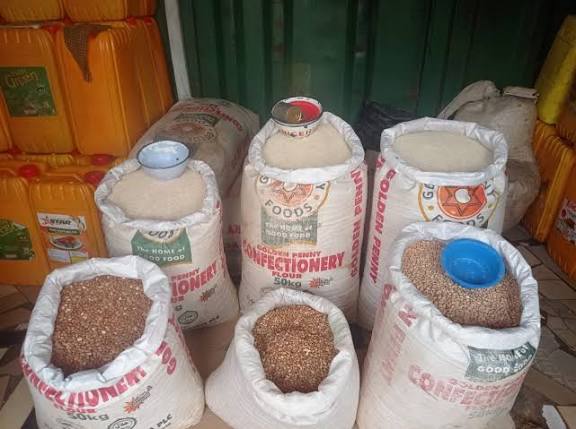
Food inflation, which carries the highest weight in Nigeria’s inflation basket, fell sharply to 10.84 percent year on year in December 2025, compared to 39.84 percent in December 2024.
The decline was driven by lower prices of common food items such as tomatoes, garri, eggs, beans, plantain, onions, potatoes, carrots, millet, vegetables, wheat grain, and ground pepper.
State-by-State Food Inflation
On a year-on-year basis, the highest food inflation was recorded in:
- Yobe – 15.25%
- Ogun – 14.12%
- Abuja – 13.24%
The lowest food inflation rates were seen in:
- Akwa Ibom – 4.34%
- Sokoto – 4.62%
- Plateau – 6.19%
On a month-on-month basis, food prices rose fastest in Imo (3.19%), Nasarawa (3.16%), and Yobe (1.18%), while Plateau (-2.76%), Rivers (-2.50%), and Zamfara (-1.93%) recorded price declines.
Core, Urban, and Rural Inflation Trends
Core inflation, which excludes food and energy, eased to 18.63 percent year on year, down from 29.28 percent in December 2024. Month-on-month core inflation slowed to 0.58 percent, while the 12-month average remained high at 23.49 percent.
Urban inflation fell to 14.85 percent year on year, though month-on-month urban inflation slightly increased to 0.99 percent.
Rural inflation declined to 14.56 percent year on year and recorded a month-on-month drop of 0.55 percent, compared to a 1.88 percent rise in November.
At the state level, Abia recorded the highest headline inflation at 19.03 percent, followed by Ogun (18.80%) and Katsina (18.66%), while Sokoto posted the lowest inflation rate nationwide.